THE DESIGN LAB.

This page encompasses various design features from intricate workflows and data visualisations to interactive design solutions, service design blueprints, and more.
Section A: Service Design, Orchestrating the Deliveroo Ecosystem.
A comprehensive blueprint mapping the end-to-end synchronisation of customers, restaurants, and ryders.
Mapping the Multi-Stakeholder lifecycle to identify operational blockers and enable knowledge flow across teams.
I developed this blueprint to visualise how a simple food order triggers a complex chain of backstage events. By identifying the Line of Visibility, I was able to map exactly where automated app responses (Front Stage) must align with human actions and third-party logistics (Back Stage).
Key Strategic Insights from the Blueprint:
Orchestrated Backstage Logic: Visualised how the payment success trigger simultaneously assigns a Ryder, alerts the Restaurant, and initiates the "Distance Algorithm" to provide an accurate delivery estimate.
Touchpoint Synchronisation: Identified critical moments where the App must serve as the "bridge", translating Ryder’s real-time GPS data into a customer-facing "Arriving in Minutes" notification.
Support Process Integration: Integrated invisible supporting processes like Recommendation Algorithms and Secure Payment Gateways to show the foundational infrastructure required for a seamless user experience.
Service Design Impact: Identified a 15% friction point in the 'Rider-to-Kitchen' handoff by mapping the back-stage support processes often overlooked in standard UI design.

I don't just design screens; I design the 'Lines of Visibility' that make national infrastructure work.
Section B (Fintech): Data Visualisation.
Remittance Data Visualisation: The "Invisible Tax"
Below is a strategic breakdown of the global remittance gap that informs my fintech logic.
The Market Opportunity
While global remittance costs dropped from 9.3% (2011) to a record low of 6.5% (2020), Sub-Saharan Africa remains an outlier with the highest transaction costs globally.
Analysis of the "Last Mile" Barrier
The Disparity: Average costs in Sub-Saharan Africa remain high at 8.5%, nearly triple the 3.0% UN Sustainable Development Goal.
The Impact: Users in this region pay a 30% premium compared to the global average, a "tax on poverty" that drains millions from local economies.
The Design Goal: This data serves as the foundation for Moyo.Exchange. My objective was to use Service Design to bypass the "middleman" friction points that keep these regional fees artificially high.

Section C: Responsive Ecosystem: Dachi Website Redesign
A multi-platform study in adaptive visual hierarchy across Mobile, Tablet, and Desktop.

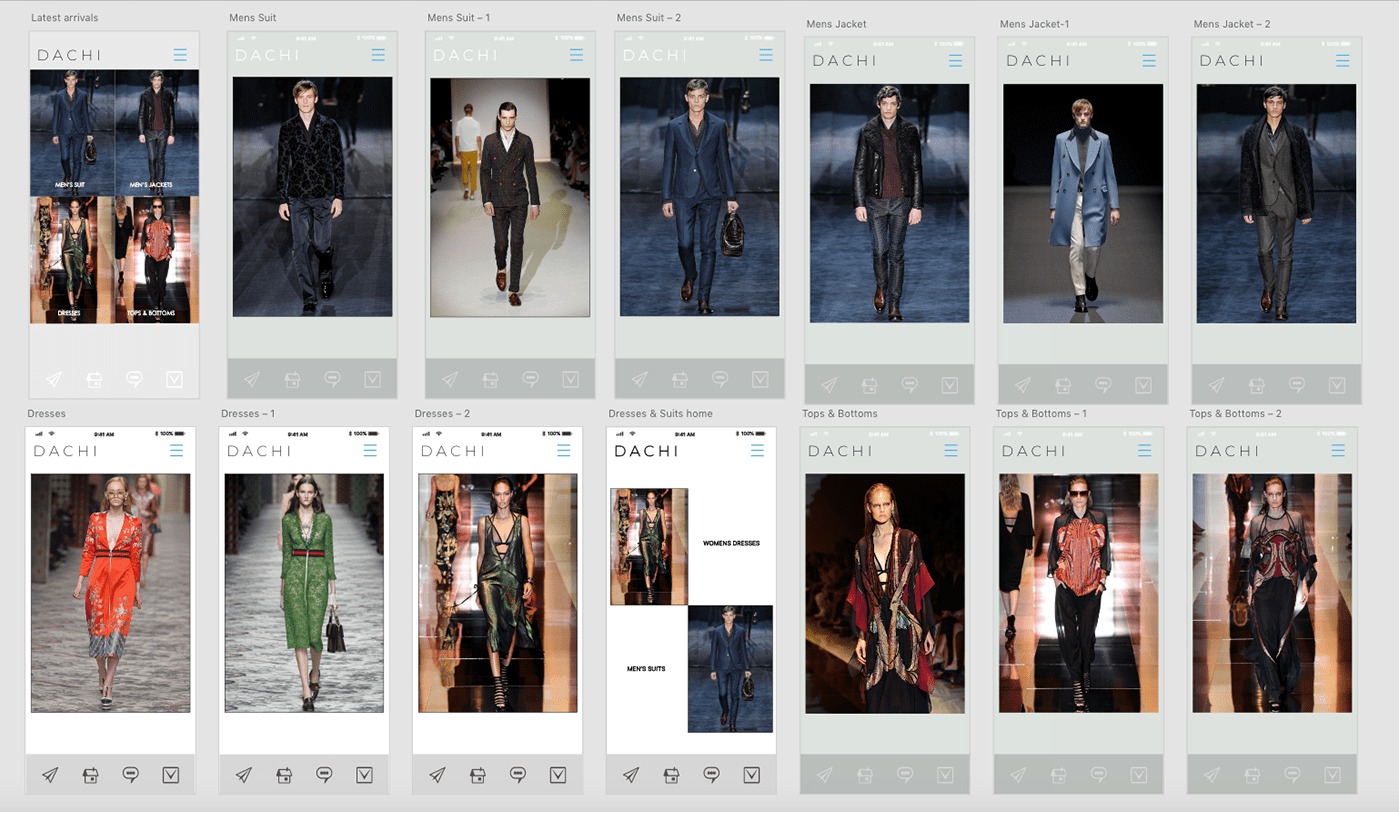
Adaptive Information Architecture
The objective of the Dachi redesign was to create a seamless, high-end fashion experience that remains clean and intuitive on any device. I focused on maintaining brand elegance while strategically adapting the layout to meet different hardware constraints and user behaviours.
Key Responsive Strategies:
Desktop (Immersive Storytelling): Utilised a wide-screen grid to allow for an expansive navigation menu and high-resolution "Shop by Look" imagery, emphasising high-priced brand value.
Tablet (Balanced Transition): Optimized the layout for portability and touch interaction, ensuring a smooth transition between desktop-level detail and mobile efficiency.
Mobile (On-the-Go Conversion): Focused on vertical hierarchy and thumb-zone accessibility. I designed a comprehensive mobile suite from secure login and bag management to multi-step checkout, ensuring a frictionless path to purchase.